

日常會議的四大誤區
Four Common Myths in Internal Collaboration
Scroll down for English version
投入會議設計Meeting Design多年,我觀察到許多企業最昂貴的成本,往往不是軟體開發或設備採購,而是日復一日的「低效會議」。主管在台上焦慮地交辦,台下同仁們客氣地沈默,手裡卻在回著郵件。當會議淪為例行公事,參與者的大腦便會自動進入節能模式,這種「人到心不到」的集體缺席,代價不只是時間的損耗,更是組織生命力的慢性自殺。
誤區一:目標設定的「名詞陷阱」
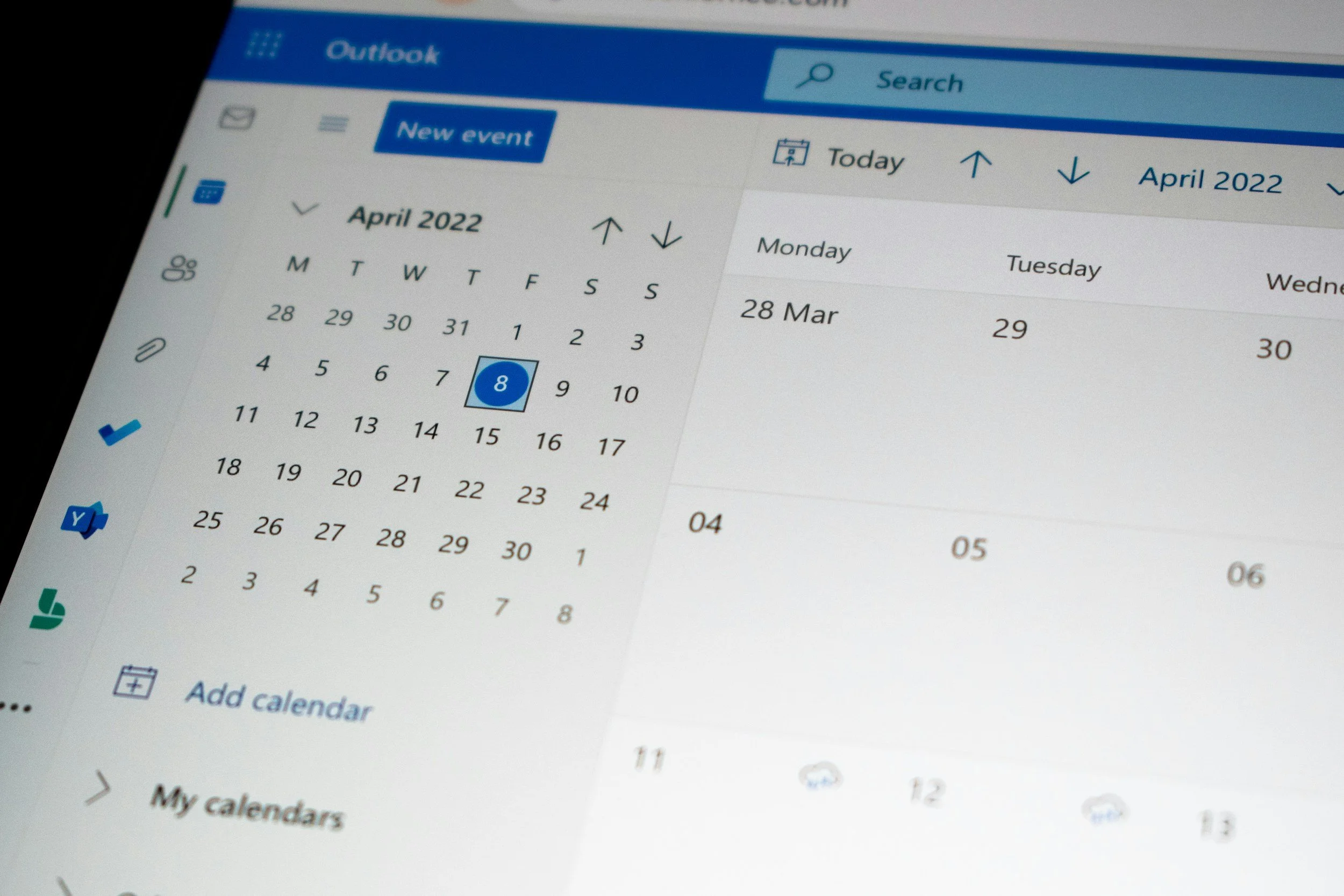
你是否也曾收過一封主旨為「年度預算討論」或「專案進度會議」的email?
對我們來說,這只是「主題(Topic)」,並非「目標(Objective)」;缺乏 Outcome-driven 的思維,會讓會議變成漫無目的的資訊堆疊,最終導致能量空轉。
專業的設計始於對會議產出Meeting Outcome的追求。我們通常會強烈建議會議通知上明確寫下:這場60分鐘會議結束後,我們要帶走什麼「具體資產」?是一個決策、一份行動清單,還是對齊後的承諾?有了產出導向的設計,路徑才會有意義。
誤區二:被「線性議程」殺死的集體智慧
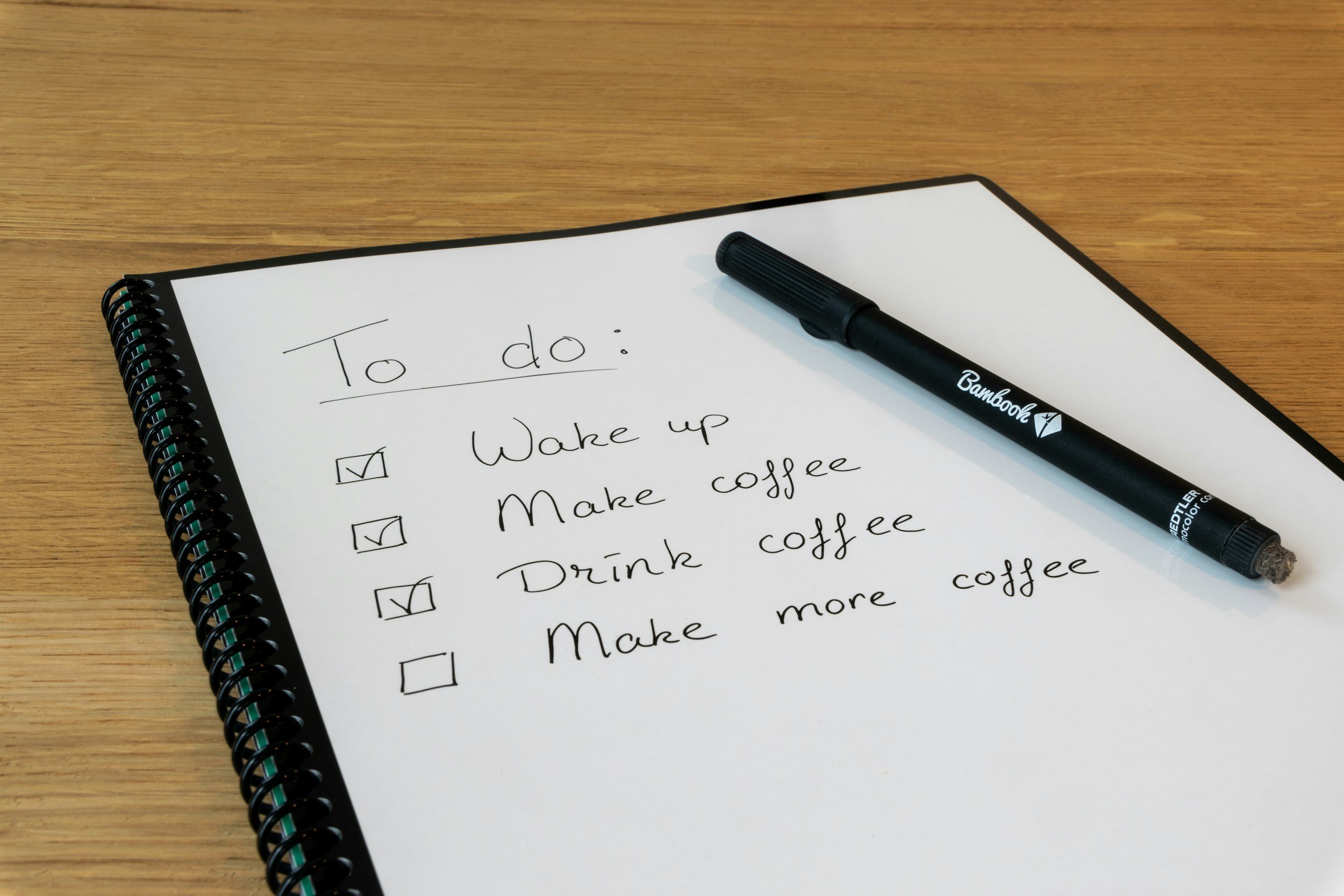
然後,你打開附件議程,那張表是不是寫著:主席開場、A 報告 10 分鐘、B 報告 10 分鐘、C報告……最後留下形同虛設的5分鐘Q&A,然後……散會!
研究證實,單向聽講超過15分鐘,人的參與能量會產生「斷崖式下降」。線性流程不僅扼殺了創意,更讓人習慣性放空。
對話需要呼吸。在流程設計上,我們強調「發散(Divergent)」與「收斂(Convergent)」的動態節奏,像是安排短促的腦力激盪來打破沈悶,再進入結構化的決策程序。這種精密設計的節奏,才能有效調度與會者的注意力,達成全程的高效參與。
誤區三:物理場域造成的「行為抑制」
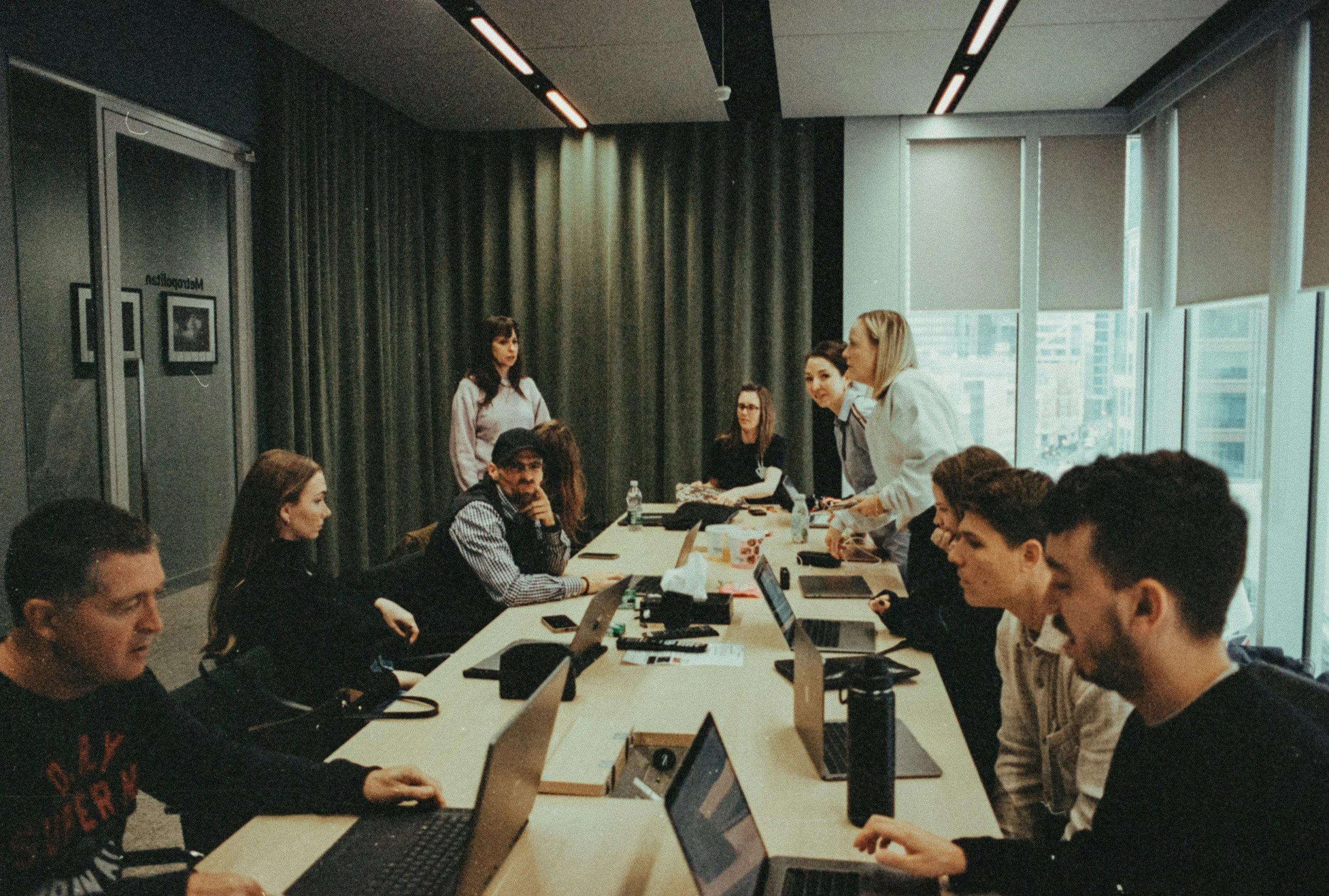
許多企業主認為在哪裡開會都一樣,甚至覺得坐在固定會議室的長桌旁最顯專業;但在會議設計師眼中,空間是具有物理魔法的。
長方桌與固定桌牌在心理上強化了部門與階級對立,當參與者感到被「關」在冰冷、僵化的空間時,他們對風險的承受度與創意會降到最低點。
所以在場域選擇上,我們通常建議注重場域的「有機性」;例如,落地窗引入的自然光能調節情緒;可移動的桌椅能打破權力距離。當物理空間不再緊繃,跨部門的溝通才能在真正的「心理安全感」中發生。
誤區四:開放式討論的「偽平等」
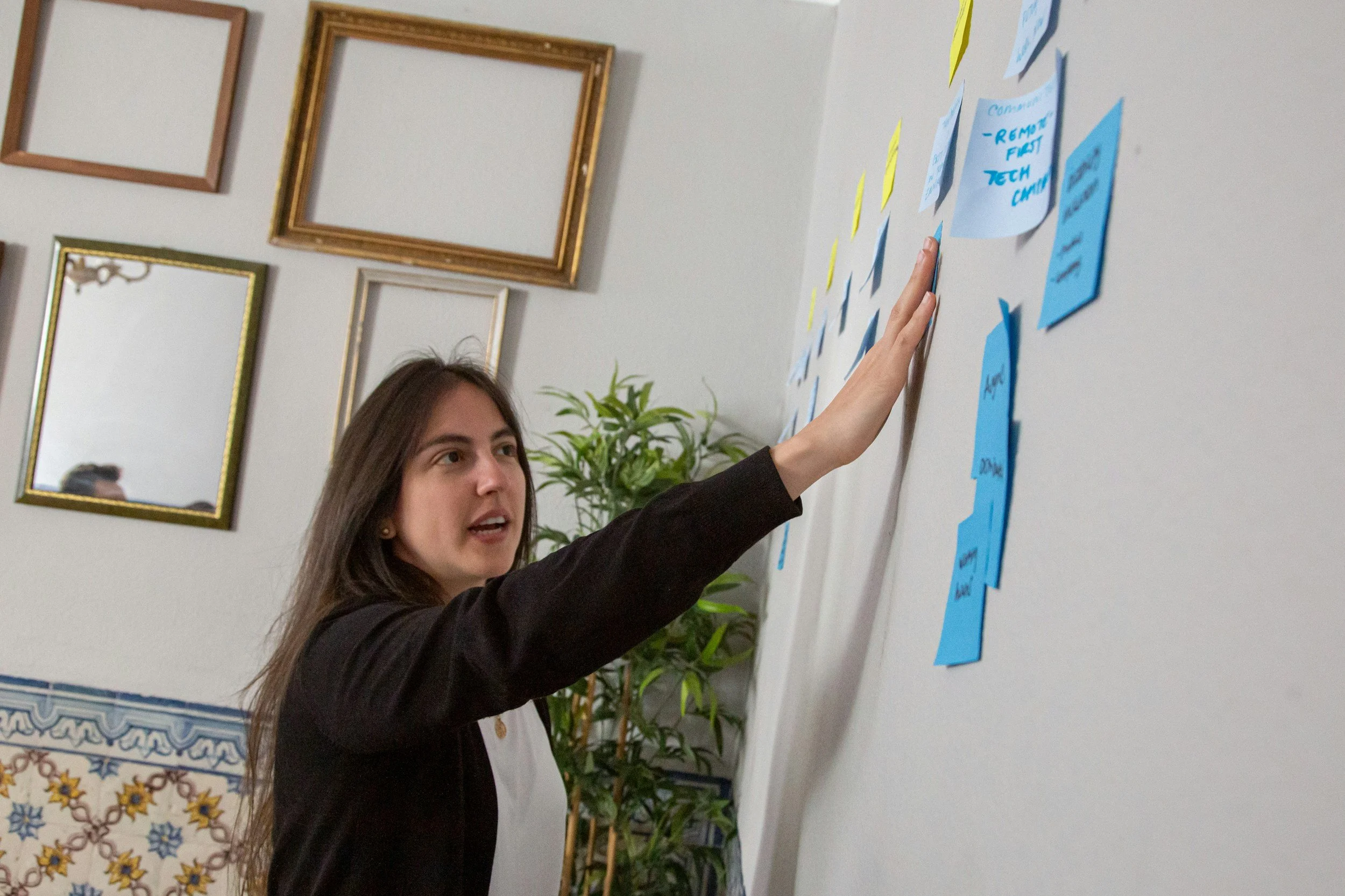
主管常對我說:「我們很民主,大家有想法儘管說。」但換來的往往是現場一片死寂。
這不意外,因為在缺乏規則干預的情況下,發言權會自動流向層級最高的人; 所謂的平等,若沒有「程序設計」支撐,只是霸權的偽裝。
這時,一位中立的引導師(Facilitator)便至關重要,因為引導師沒有階級負擔,並能有效運用設計過的討論模式,確保每一份智慧是被公平地「看見」,而非僅被職稱「聽見」。
如果您也正面臨上述問題,請試著從以下三點開始改變:
確立目標:善用管理學中的SMART原則定義具體的會議產出。
切換空間:換個開會場域,哪怕只是到公司頂樓陽台。
留意3 Es:記住,一場會議要達成效率 (Efficiency) 與效果 (Effectiveness),能量 (Energy)才是最關鍵的一步。
下次開會前,別急著訂會議室,先想想為什麼要開這場會?
Having been involved in meeting design for many years, I've observed that the most expensive cost for many companies is often not software development or equipment purchases, but rather the daily grind of "inefficient meetings." Managers anxiously assign tasks on stage, while colleagues politely remain silent below, their hands busy replying to emails. When meetings become routine, participants' brains automatically enter energy-saving mode. This collective absence of "being physically present but mentally absent" costs more than just wasted time; it's a slow suicide of organizational vitality.
Myth 1: The "Noun Trap" in Goal Setting
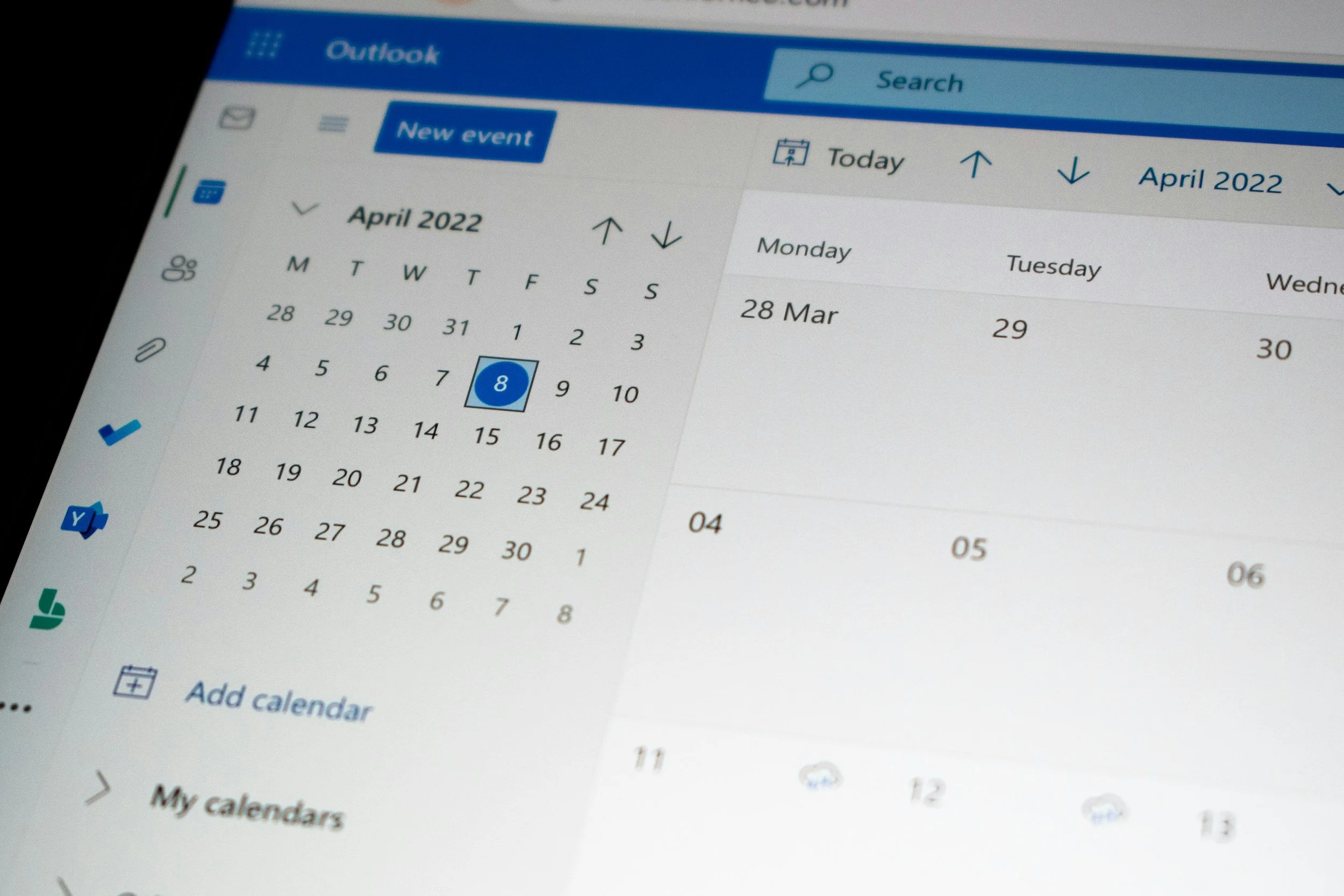
Have you ever received an email with the subject line "Annual Budget Discussion" or "Project Progress Meeting"?
For us, this is merely a "Topic," not an "Objective." A lack of outcome-driven thinking turns meetings into aimless information dumps, ultimately leading to wasted energy.
Professional design begins with the pursuit of meeting outcomes. We typically strongly recommend that meeting notices clearly state: What concrete assets will we take away after this 60-minute meeting? Is it a decision, an action list, or an aligned commitment? Only with an output-oriented design will the path make sense.
Myth 2: Collective Intelligence Killed by a "Linear Agenda"
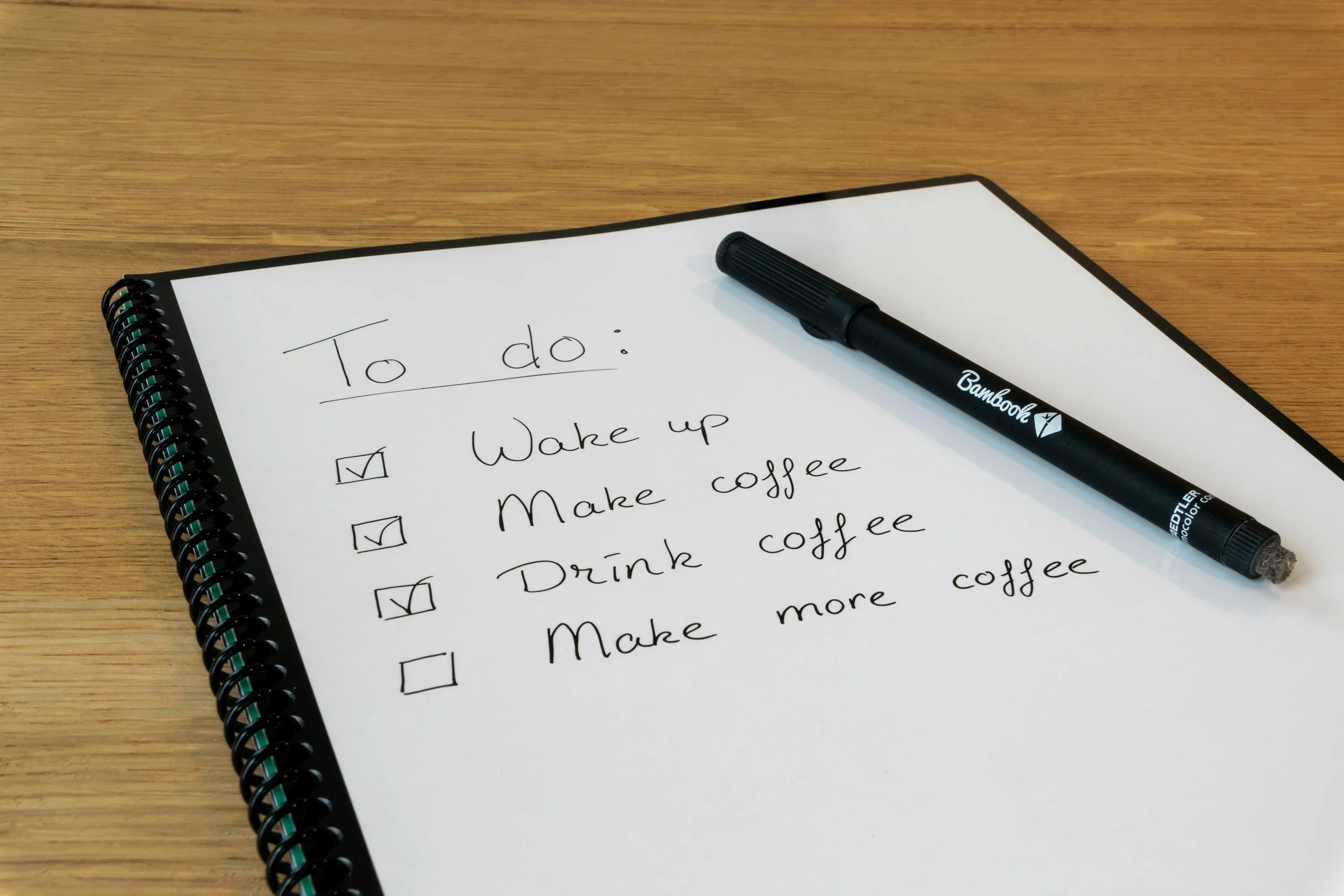
Then, you open the attached agenda, and the table lists: Opening remarks by the Chair, A's report (10 minutes), B's report (10 minutes), C's report… finally, a meaningless 5-minute Q&A session, and then… meeting adjourned!
Research confirms that after more than 15 minutes of one-way listening, a person's engagement energy experiences a "cliff-like drop." Linear processes not only stifle creativity but also lead to habitual blanking out.
Dialogue needs breathing room. In process design, we emphasize a dynamic rhythm of "divergent" and "convergent" thinking. For example, we arrange short brainstorming sessions to break the monotony before moving into structured decision-making procedures. This meticulously designed rhythm effectively manages participants' attention, achieving highly efficient participation throughout.
Myth 3: "Behavioral Inhibition" Caused by Physical Space
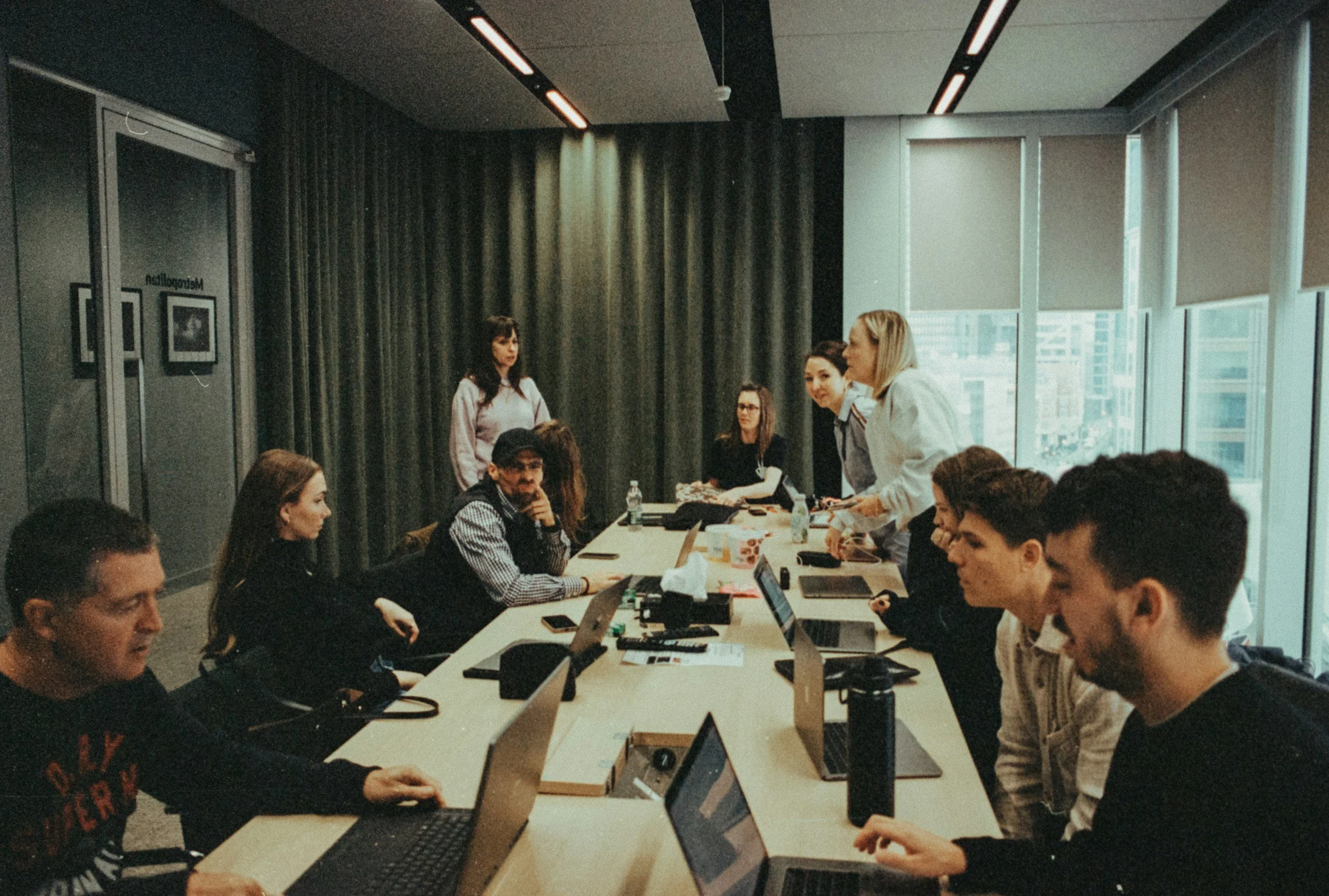
Many business owners believe that it doesn't matter where the meeting is held, and even feel that sitting at a long table in a fixed meeting room is the most professional. However, in the eyes of meeting designers, space has a physical magic.
Rectangular tables and fixed nameplates psychologically reinforce departmental and hierarchical antagonism. When participants feel "locked" in a cold, rigid space, their risk tolerance and creativity will drop to their lowest point.
Therefore, in choosing a venue, we usually recommend focusing on the "organic" nature of the space; for example, natural light brought in by floor-to-ceiling windows can regulate mood; movable tables and chairs can break down power distances. When the physical space is no longer tense, cross-departmental communication can occur in a truly "psychologically safe" environment.
Myth 4: "Pseudo-Equality" in Open Discussion
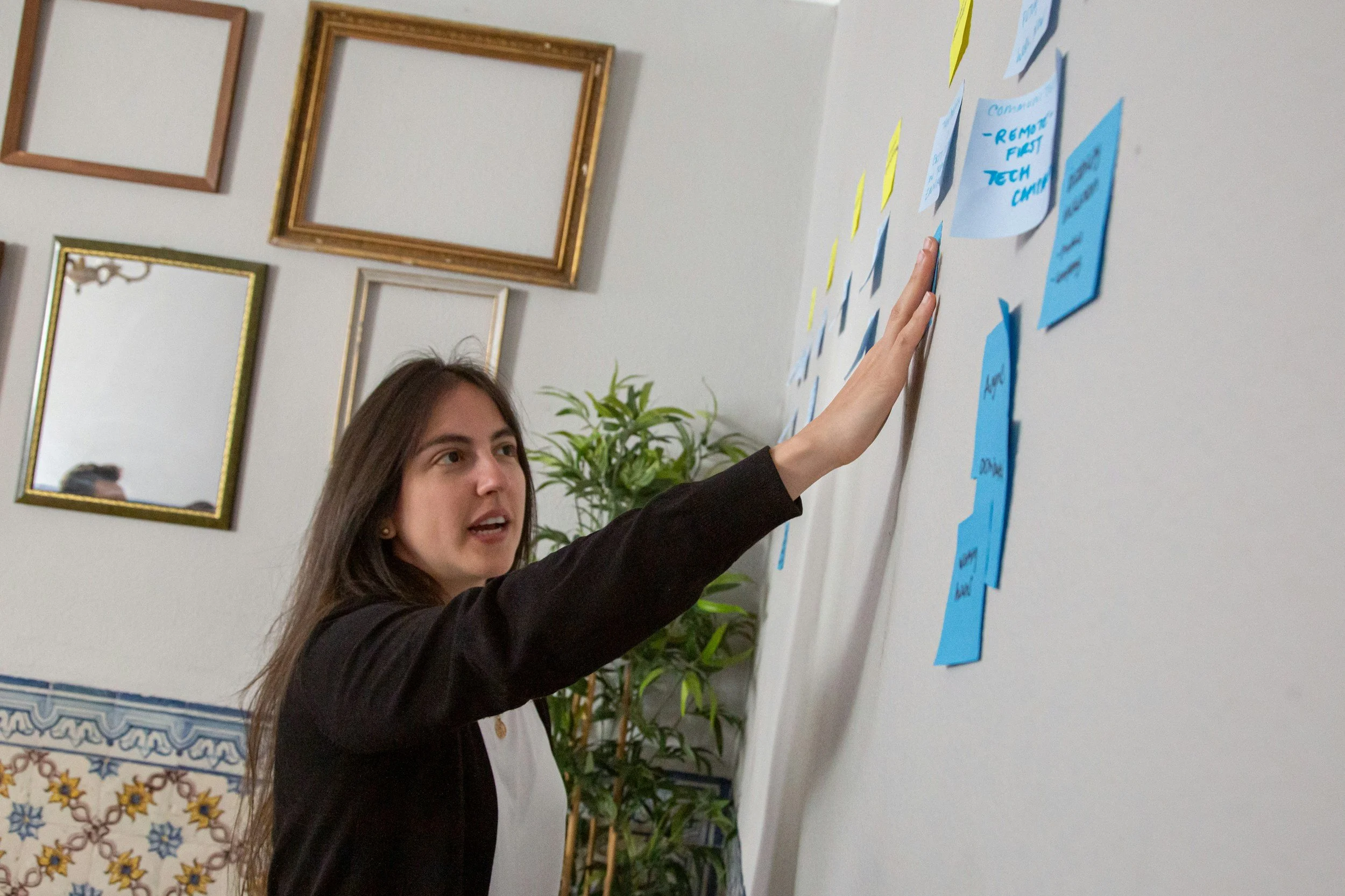
My supervisor often tells me, "We are very democratic; everyone can speak their mind." But what often results in a deathly silence.
This is not surprising, because in the absence of rule intervention, the right to speak automatically flows to the highest level. So-called equality, without the support of "program design," is merely a disguise for hegemony. At this point, a neutral facilitator becomes crucial. Without hierarchical burdens, the facilitator can use well-designed discussion models to ensure that every contribution of wisdom is fairly "seen," rather than simply "heard" by title.
If you are also facing the above problems, try making changes in the following three ways:
Set goals: Define specific meeting outputs using the SMART principle.
Change the venue: Change the meeting location, even if it's just to the company rooftop balcony.
Remember the 3 Es: For a meeting to achieve efficiency and effectiveness, energy is the most critical step.
Before your next meeting, don't rush to book a meeting room; first, think about why you're holding this meeting.