

拒絕大拜拜!籌辦大型會議的常見陷阱
Common Assumptions in Organizing Conferences
Scroll down for English version
企業組織每年投入上百萬預算籌辦年會、論壇或發表會,但活動結束後,留下來的是沒發完的紀念品跟拆除的布置物,還是真的有助推展組織目標的行為改變?
在全球每年成千上萬場的會議活動中,時間有限的大眾,要選擇參加哪個會議?又是哪些會議值得砸預算辦理?答案都只有一個,這場會議能否帶動企業或議題前進。
你手上那場會議,該如何開始?他山之石可以攻錯,就先從避開以下四個常見陷阱開始吧!
追求流程順暢而非會議目標
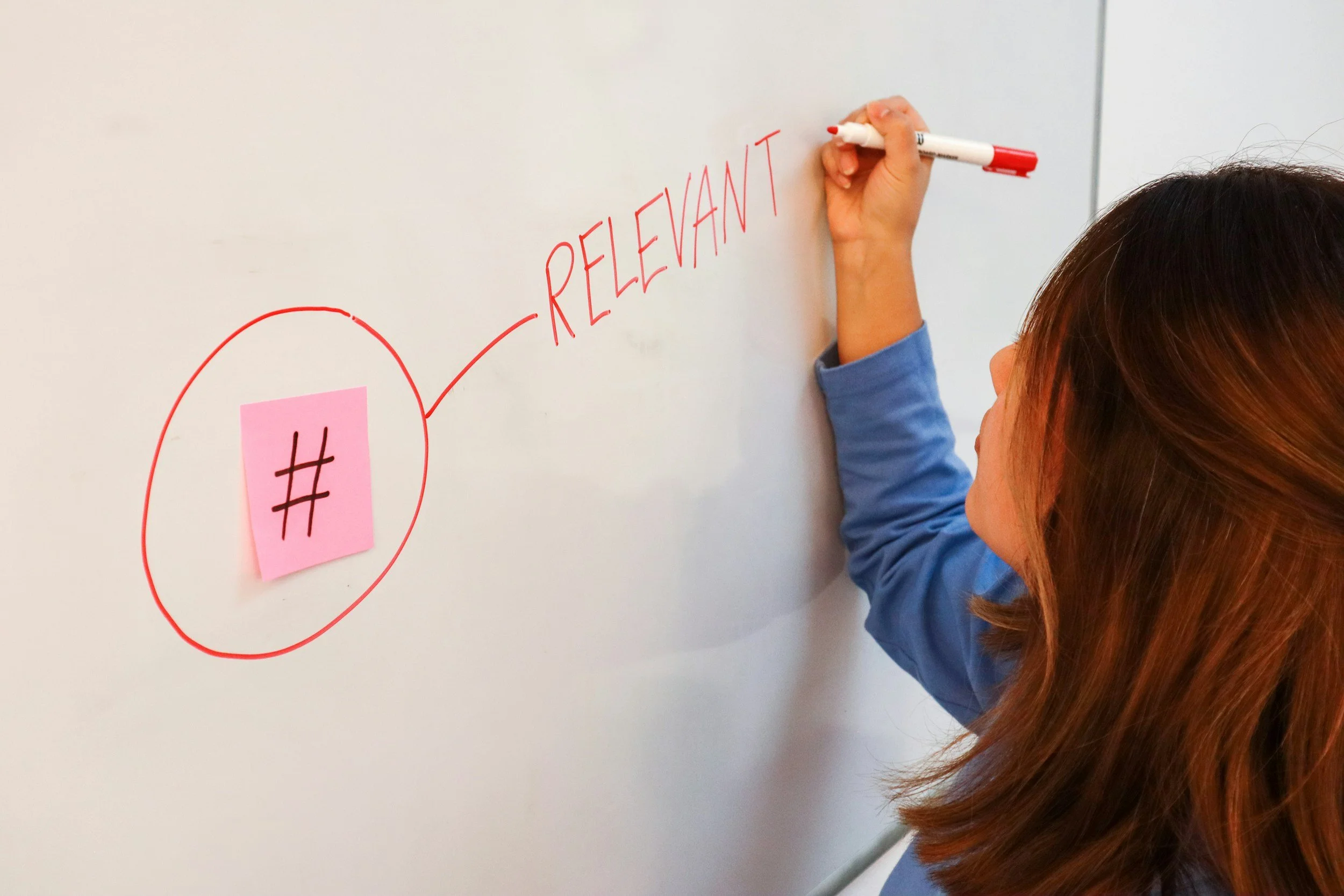
找出目標及真正相關的內容
如果是初次籌辦者,通常會到處找議程範本,如果是定期籌辦的會議,更是直接拿出去年的議程來改日期,總認為只要填完議程表、現場流程不出錯,就算成功;滿意度調查更像是幫場地做的,似乎只要燈光美氣氛佳、餐飲好吃就是成功的會議。
然而,如果與會者回家後沒有產生任何心態或行為的改變,這場活動只是一場昂貴的煙火。
以終為始。
在開始之前,如同所有的專案一樣,目標設定是第一步,Meeting Designer通常會問:活動結束三個月後,你希望與會者採取什麼行動?
當核心訊息與量化目標明確後,才能定調訊息傳遞的模式,進而篩選合適的講者;滿意度調查也自然會跳脫出詢問喜不喜歡餐飲/場地等與企業無關的問題,而是直觀地對應量化目標而設計。
單向傳遞帶來的注意力疲乏
諾貝爾經濟學獎得主赫伯特·西蒙(Herbert A. Simon)曾明確指出:
“在這個資訊爆炸的時代,真正稀缺的不是資訊,而是大腦處理資訊的「注意力」。”
在數位經濟體中,使用者付出的「時間與目光」就是變現的資源,為了極大化留存率,平台的演算法和介面設計都在爭奪使用者大腦的下一秒。在會議中,舞台內容若不具備吸引力,台下領完餐盒就離場或集體滑手機是必然的痛點。這源於規劃者未將注意力管理納入設計。要把人留在現場,甚至轉化為改變的動能,需要的是一套有系統的設計。
那些讓人不自覺上癮黏著在APP上的演算法和介面設計,就是會議中的會議引導機制及場域設計,引導師Facilitator在台上引導對談、調度節奏、即時回饋,都能讓與會者保持大腦清醒及提高參與程度,空間使用、互動形式、氛圍創造,則能降低參與和對話的阻力,將他們從單純的「觀眾」轉化為內容的「共創者」。
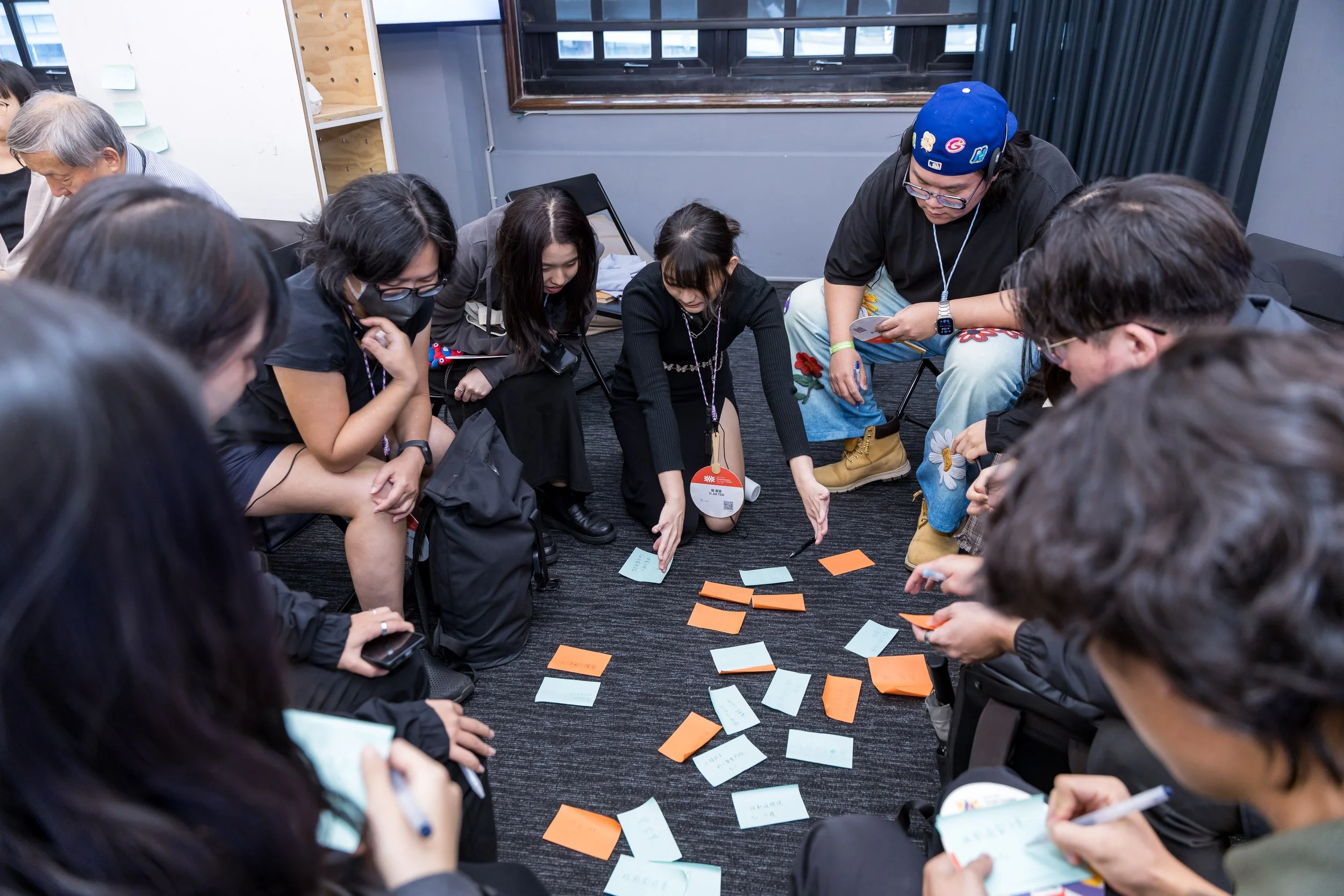
讓與會者成為內容共創者
WOW的一次性垃圾
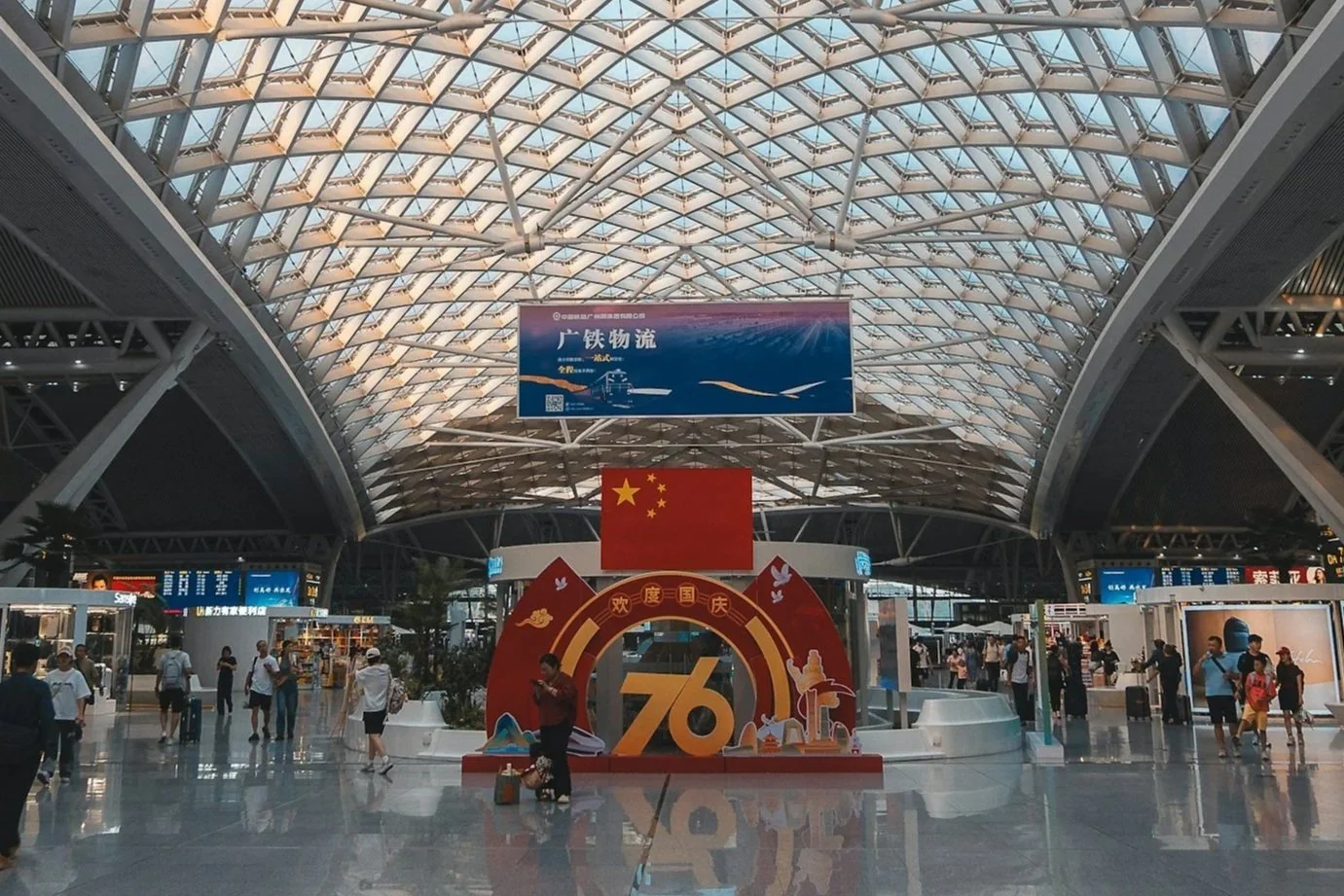
一次性布置物
為了追求視覺震撼,現場充斥大量一次性布置物與文宣。即便看似環保的帆布袋、環保杯,若未經思考便大量發放,在活動結束瞬間皆淪為廢棄物。
根據聯合國《2025年永續發展目標報告》,全球正處於永續發展的緊急狀態。全球商務活動每年產生的碳排放量高達 12 億噸CO_2e,佔全球總排放量的 5% 至 10%。新加坡旅遊局數據更顯示,一名國際會議與會者平均每天產生的碳排,直逼普通人數週甚至數月的日常總和。
這驚人的數據主要集中在交通(如國際講者及與會者的飛行、相關設備的物流等)、餐飲浪費與裝潢布置。姑且不論是否造成環境破壞,對主辦單位而言,除了創造一個WOW的瞬間,這些資源留下了什麼實質影響?除了在意碳足跡(Carbon Footprint),負責任的組織更應追求正面影響力(Handprint)。重新審視每一項製作物的必要性,建議從議題內容、活動目標著手,再去看待現場的每一項製作物時,相信你會有不同的規劃!
缺乏設計的空洞社交

有效的引導社交
在 AI 協作與視訊會議發達的今日,如果資訊獲得如此容易,為什麼還要支付高昂的交通與時間成本,把人拉到實體空間?
實體會議存在的意義,已從單向報告轉型為建立深度信任、處理複雜決策的場域。本質上,這是一個動態的社交場合。然而多數會議仍將座位區分為權力分明的保留席,議程塞滿講稿,讓交流流於交換名片,徹底葬送了不期而遇(Serendipity)的商業機會。對內向者而言,毫無門檻的自我介紹更是災難。引導式社交(Guided Networking)透過程序設計打破層級隔閡,讓各界專家在特定規則下進行有意義的碰撞,這才是實體會議無法被取代的價值。
一年一度的會議活動不該是大拜拜,應該是達成組織目標的策略性工具。避開這四大誤區,將每一次的會議成果疊加,才能讓中長期計畫真正落地。
正在規劃下一場會議,希望看見實質的影響力嗎?歡迎與我們聊聊。
Organizations invest millions of dollars each year in organizing annual meetings, forums, or presentations, but after the event, what remains are unsent giveaways and dismantled decorations, or does it truly contribute to behavioral change that drives organizational goals ?
With thousands of conferences and events held globally each year , which conferences would people with limited time choose to attend ? And which conferences are worth investing in? The answer is always the same: can this conference drive progress for businesses or issues ?
How should you begin that meeting you're facing? While we can learn from others' mistakes, let's start by avoiding these four common assumptions!
Prioritizing smooth processes over meeting objectives
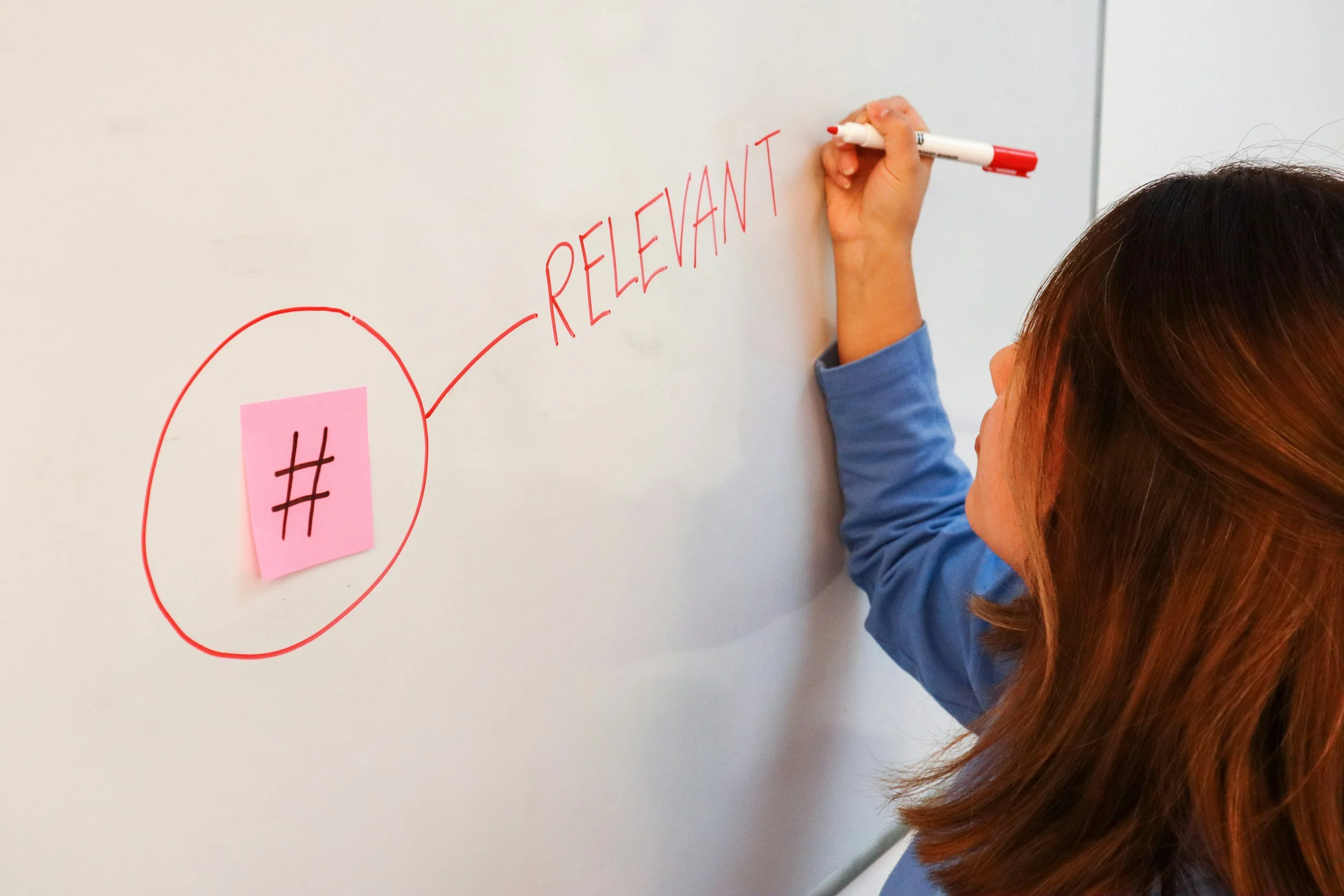
Identify the objective and the real relevant content
First-time organizers often search for agenda templates, while those organizing regular meetings simply use last year's agenda with changed dates, believing that as long as the agenda is filled out and the on-site flow is flawless, it's a success. The satisfaction survey seemed more like it was done for the venue; it appeared that as long as the lighting was nice, the atmosphere was good, and the food was delicious, the meeting was considered a success.
However, if the participants do not experience any change in mindset or behavior after returning home, the event is nothing more than an expensive firework display.
Begin with the end in mind. Before starting, as with all projects, setting goals is the first step. Meeting designers usually ask : What actions do you hope attendees will take three months after the event ? Once the core message and quantifiable goals are clear, the delivery method can be determined, and suitable speakers can be selected. Satisfaction surveys will naturally move beyond asking questions unrelated to the company, such as whether they like the food/venue, and will instead be designed to directly address the quantifiable goals.
Attention fatigue caused by one-way transmission
Nobel laureate in economics Herbert A. Simon once clearly pointed out:
“In this age of information overload, what’s truly scarce isn’t information itself, but rather the ‘attention’ that the brain needs to process that information.”
Enabling participants to become content co-creators
In the digital economy, the "time and attention" users invest are the resources for monetization. To maximize retention rates, platform algorithms and interface designs are vying for the user's attention for the next second. In a meeting, if the stage content isn't engaging, it's inevitable that attendees will either grab their food and leave or collectively scroll through their phones. This stems from planners failing to incorporate attention management into the design. To keep people engaged and even transform them into a driving force for change requires a systematic design.
The algorithms and interface designs that make people unconsciously addicted to apps are like the meeting guidance mechanisms and venue design in a conference. The facilitator guides the conversation, sets the pace, and provides real-time feedback on stage, which can keep participants alert and increase their participation. The use of space, interactive forms, and atmosphere creation can reduce the resistance to participation and dialogue, transforming them from mere "spectators" into "co-creators" of content.
One-time waste in WoW
Disposable decorations
In pursuit of visual impact, the event was filled with a large number of disposable decorations and promotional materials. Even seemingly eco-friendly canvas bags and reusable cups, if distributed in large quantities without careful consideration, became waste the moment the event ended.
According to the UN's 2025 Sustainable Development Goals report, the world is in a state of emergency regarding sustainable development. Global business activities generate as much as 1.2 billion tons of CO2e annually, accounting for 5% to 10% of total global emissions. Data from the Singapore Tourism Board further shows that the average international conference attendee generates carbon emissions per day that are close to the total daily emissions of an average person over several weeks or even months.
These alarming figures primarily focus on transportation (such as flights for international speakers and attendees, and the logistics of related equipment), food waste, and decoration/setup. Regardless of environmental damage, what tangible impact do these resources leave for the organizers, beyond creating a "WOW" moment? Instead of worrying about carbon footprints, responsible organizations should pursue positive impact (handprint). Re-evaluating the necessity of each item on-site, starting with the topic and event objectives, will likely lead to different planning!
Empty social interactions lacking design
Guided networking makes connections happen
In today's world of advanced AI collaboration and video conferencing, if information is so easily accessible, why pay high transportation and time costs to bring people to physical spaces?
The significance of in-person meetings has shifted from one-way reporting to a platform for building deep trust and handling complex decisions. Essentially, it's a dynamic social setting. However, most meetings still divide seating into clearly defined, reserved areas, cramming agendas with prepared speeches, reducing exchanges to mere business card swapping, and ultimately destroying serendipitous business opportunities. For introverts, unrestricted self-introductions are a disaster. Guided networking, through its programmed approach, breaks down hierarchical barriers, allowing experts from various fields to engage in meaningful discussions within specific rules—this is the irreplaceable value of in-person meetings.
Annual meetings and events should not be mere formalities, but rather strategic tools for achieving organizational goals. Avoiding these four pitfalls and accumulating the outcomes of each meeting is crucial for the successful implementation of medium- and long-term plans.
Planning your next conference and hoping to see tangible impact? Feel free to talk to us.